good to know before you plan
The cheapest month of the year, with the rains back as heavy afternoon showers. Highland rates hit their yearly low, around $80 to $160 per person for the five days, and that is the entire argument for coming now.
Against it, cloud over the caldera means clear sunrises are the exception in November, so the summit is not something to build the trip around. Mornings are your window and the afternoons are not. If the highlands themselves are the draw and the sunrise would be a bonus, this is very good value. We would suggest it only to people who can be flexible about which morning they climb.
Bali in November: A 5-Day Kintamani and Highlands Itinerary
Five days is the sweet spot for one region of Bali, and this plan spends all of it on Kintamani and the highlands. November is the cheapest month of the year, with the rains back as heavy afternoon showers.
You split the five days between the Kintamani rim and Ubud: the pre-dawn Batur trek and the lakeside hot springs up top, then the temples and terraces of the valley below. It is one clean loop rather than a scramble across the island.
Five days in the highlands in November, for the springs over the sunrise
November
Week 2

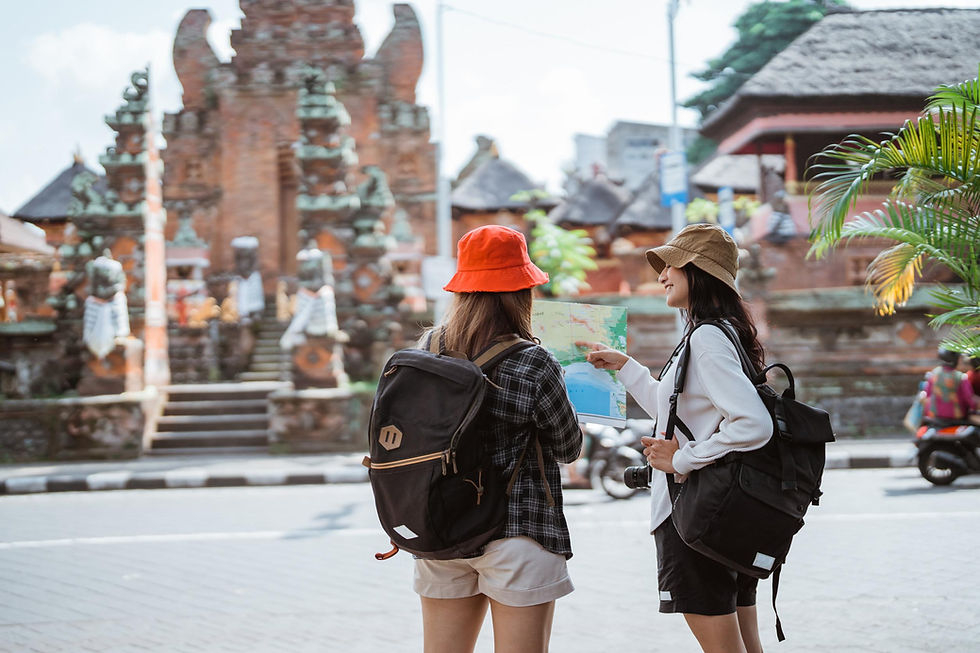
day by day
Two nights on the Kintamani rim for the trek and the hot springs, then three back in Ubud. Five days covers the highlands and a little of the valley, not both in full.
Day 1: Arrive, sleep in Ubud.
Day 2: Drive up after breakfast, afternoon at the Toya Bungkah hot springs.
Day 3: Trek if the sky is clear, otherwise the lake by boat to Trunyan and a long lunch on the rim.
Day 4: Second attempt at the trek, then back down to Ubud.
Day 5: Slow morning, then the airport with extra time for the traffic.




Where to Eat

Central Ubud for the broadest dining selection
Penestanan for cafés and relaxed healthy dining
Tegallalang for restaurants overlooking rice fields
Local villages for traditional Balinese warungs
Ubud markets for casual local food and snacks
Where to Stay

Penelokan: best for caldera viewpoints.
Toya Bungkah: best for hot springs and lakeside.
Kedisan: best for lake access and boats.
Batur village: best for early trek starts.
Songan: best for quiet lakeside stays.
Ubud side: best for warmer nights nearby.


best Things to Do
Explore Ubud’s cultural centre
Walk through rice fields and terraces
Visit Tegallalang Rice Terrace
See Tirta Empul and nearby temples
Walk the Campuhan Ridge
Attend a traditional Balinese dance performance
Join a cooking, craft or wellness class
Explore waterfalls and river valleys
Take a day trip into Bali’s central highlands.
Come for the hot springs, not the sunrise
Book the rim room first, and book more nights than you think you need if the summit matters, because in November each extra morning is another independent chance. Trek packages should still be arranged ahead since guides are mandatory, but ask specifically about postponing to the following morning. A driver is close to essential on a steep, unlit and now wet mountain road, and the same car covers the hot springs and the lake. Three links below.
frequently asked questions
What is the weather like in Kintamani in November?
Wet and cold, with cloud over the caldera for much of the day. November starts the rainy season, so clear sunrise mornings become uncommon. Altitude keeps the temperature low: nights on the rim run into the mid teens and feel colder in the damp, while the coast sits at 27 to 31 degrees. A waterproof layer matters as much as a warm one.
Should you book the Mount Batur trek in November?
Only if you can be flexible. The trek runs year-round and the climb itself is no harder in the wet, but cloud over the caldera means clear sunrises are the exception in November. If your dates allow two or three mornings on the rim, the odds improve considerably. With a single attempt, treat it as a gamble.
What else is there to do in Kintamani in the wet season?
The hot springs at Toya Bungkah are better in cold wet weather than in dry heat, and they sit on the lake shore beneath the volcano. Lake Batur crossings to Trunyan still run, best taken in the morning before the wind builds. The rim road has viewpoints and coffee plantations, and the caldera walls green up quickly once the rains start.