good to know before you plan
Nobody puts January at the top of their Bali list, and that is exactly why it works for Ubud. This is the wettest stretch of the year, but the rain keeps a schedule here: clear bright mornings, then the water arrives in the afternoon.
A week gives you seven of those mornings, which is more usable time than it sounds, and the valley is as green as it will ever be. Rates are among the two lowest of the year, around $110 to $220 per person. We plan the walks and the temples before noon in January and give the afternoons to the spa, the galleries and a long lunch.
Bali in January: A 7-Day Ubud Itinerary for the Green Season
Nobody puts January at the top of their Bali list, and that is exactly why it works for Ubud. This is the wettest stretch of the year, but the rain here keeps a schedule: clear bright mornings, a heavy hour or two after lunch, then a washed-clean evening. Plan around that rhythm and you get the temples to yourself.
What you gain is a version of central Bali most visitors never see. The rice terraces at Tegalalang are flooded and impossibly green, the rivers run hard enough to make the waterfalls worth the walk down, and the gorge below Campuhan smells of wet earth instead of exhaust. Hotels that are impossible in July have rooms in January, at prices that make an upgrade sensible.
Rain most afternoons, and Ubud has never looked greener
January
Week 1


day by day
One base in Ubud, the whole trip. Everything worth seeing sits within forty minutes, and in January you want the option to abandon an afternoon and go back to the hotel.
Day 1: Arrive and do nothing but eat. Ubud's best restaurants are quiet in January and you will not need a booking.
Day 2: Temples in the morning while it is dry. Tirta Empul first, before the tour buses, then Gunung Kawi down the steps. Back by two.
Day 3: Campuhan Ridge Walk at sunrise, then the Ubud market and the palace. Afternoon free for the rain.
Day 4: Tegalalang rice terraces. January is the one month they are properly flooded and worth the entrance fee.
Day 5: Rest day. Book a spa, read something, let the weather do what it wants.
Day 6: Waterfall day. The rivers are high, which makes Tegenungan and Tibumana dramatic rather than trickling. Go early, the paths get slippery.
Day 7: Last breakfast, late checkout, and leave time for the airport road because rain slows everything south.




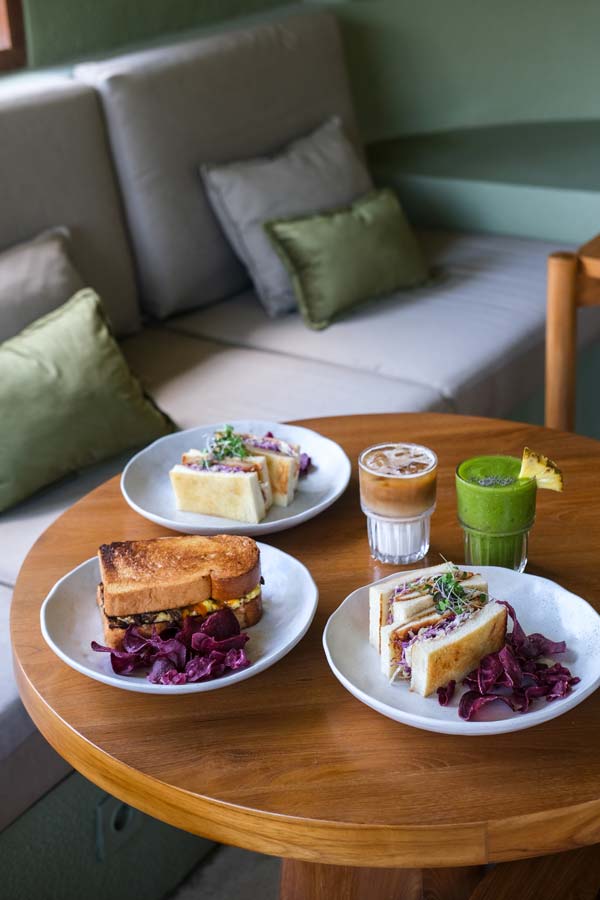
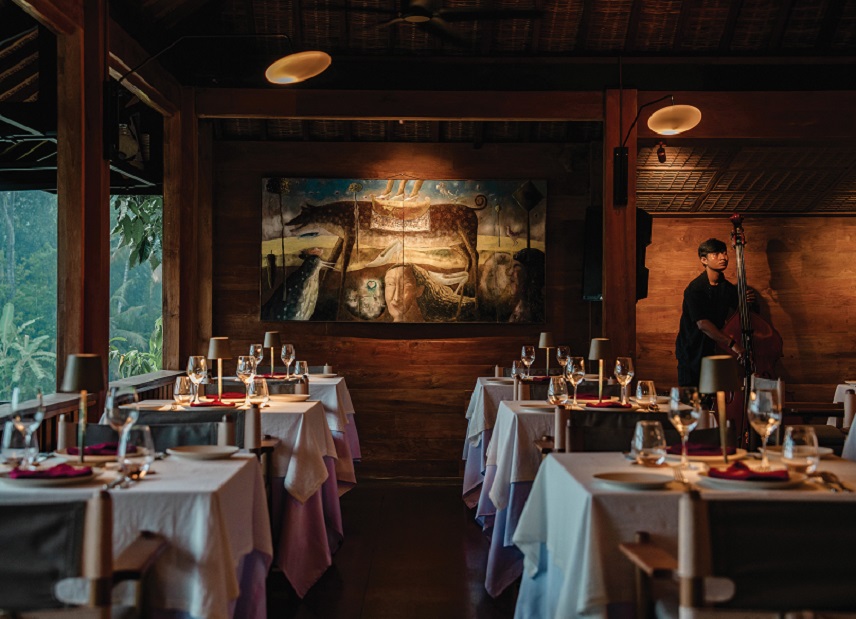



Where to Eat
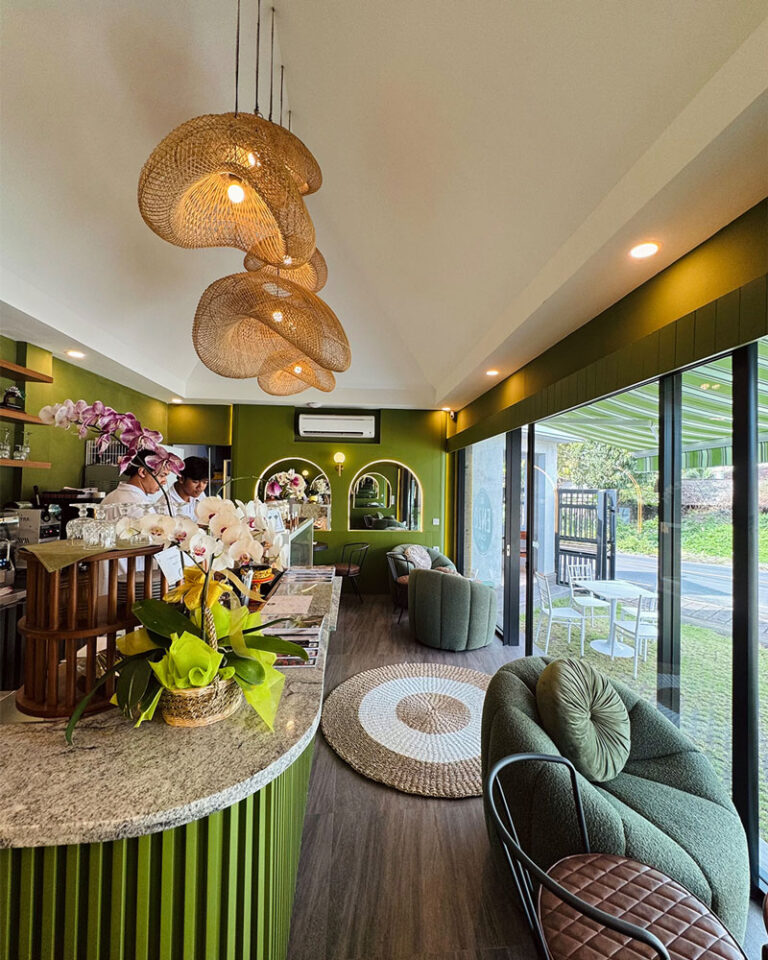
Central Ubud for the broadest dining selection
Penestanan for cafés and relaxed healthy dining
Tegallalang for restaurants overlooking rice fields
Local villages for traditional Balinese warungs
Ubud markets for casual local food and snacks
Where to Stay

Central Ubud: best for walkable sights.
Monkey Forest Road: best for shops and cafés.
Penestanan: best for a quieter base.
Sayan: best for valley views.
Nyuh Kuning: best for a village setting.
Tegallalang: best for rice terrace stays.


best Things to Do
Explore Ubud’s cultural centre
Walk through rice fields and terraces
Visit Tegallalang Rice Terrace
See Tirta Empul and nearby temples
Walk the Campuhan Ridge
Attend a traditional Balinese dance performance
Join a cooking, craft or wellness class
Explore waterfalls and river valleys
Take a day trip into Bali’s central highlands.
Ubud in January is the cheapest it gets
Start with the room. January prices in Ubud are the lowest of the year, which makes this the one month an upgrade genuinely makes sense, so compare before you book. Activities are worth booking ahead only for the guided walks and workshops. The temples you can simply turn up to. A car with a driver is the thing that saves this trip: the waterfalls and terraces are spread out, the rain makes scooters miserable, and one driver for a day costs less than two separate tours. Three links below.
frequently asked questions
What is the weather like in Bali in January?
Wet, warm and humid. January is the peak of the rainy season, with temperatures around 27 to 31 degrees and heavy rain most afternoons. The pattern matters more than the total: mornings are usually clear, the rain arrives after lunch and lasts an hour or two, and evenings often clear again. It is not a washout, it is a schedule.
Is it worth visiting Bali in the rainy season?
For Ubud and the inland areas, yes. The landscape is at its greenest, waterfalls run hard, and both crowds and prices drop sharply. For a beach and sunbathing trip, much less so. The honest test is whether you would trade two or three lost afternoons for lower prices and quiet temples.
How many days do you need in Ubud?
Four full days covers the temples, the ridge walk, one waterfall and the rice terraces without rushing. Seven lets you add a rest day and a second waterfall, which in the wet season is useful insurance against a washed-out afternoon. Ubud works as a single base, so there is no reason to move hotels.