good to know before you plan
January is one of the months where Ubud and the coast part company. The beaches struggle, but inland the landscape is at its greenest and the waterfalls run hard.
Bright mornings are your window and the afternoons belong to the rain, which suits Ubud's rhythm far better than it suits a beach holiday. It is one of the two cheapest months of the year to stay here, around $80 to $160 per person for five days. We think Ubud is the right answer to a January trip to Bali, and it is why people who head inland in the wet season rarely regret it.
Bali in January: A 5-Day Ubud Itinerary for the Green Season
Five days is the sweet spot for one region of Bali, and this plan spends all of it on Ubud. January is the peak of the wet season, so bright mornings are your window and the afternoons belong to the rain.
You stay in Ubud the whole time and use it as a hub: temples and rice terraces on the clear mornings, the Campuhan ridge at first light, a waterfall when the rivers are running, and the craft villages when the weather turns. Nothing is more than a short drive, so a shower costs you an hour, not a day.
Five quiet days in Ubud with the valley at its wettest and its greenest
January
Week 1


day by day
One base in Ubud for all five nights. Everything sits within about forty minutes, so the days go into the places rather than into transfers.
Day 1: Arrive, settle, eat well. No plans.
Day 2: Tirta Empul and Gunung Kawi in the morning, back before the afternoon rain.
Day 3: Campuhan Ridge Walk at sunrise, Ubud market and palace after, then the afternoon free.
Day 4: Tegalalang rice terraces, flooded and at their best this month, then a waterfall if the sky holds.
Day 5: Slow breakfast, then the airport. Leave extra time, the road south is slower in the wet.





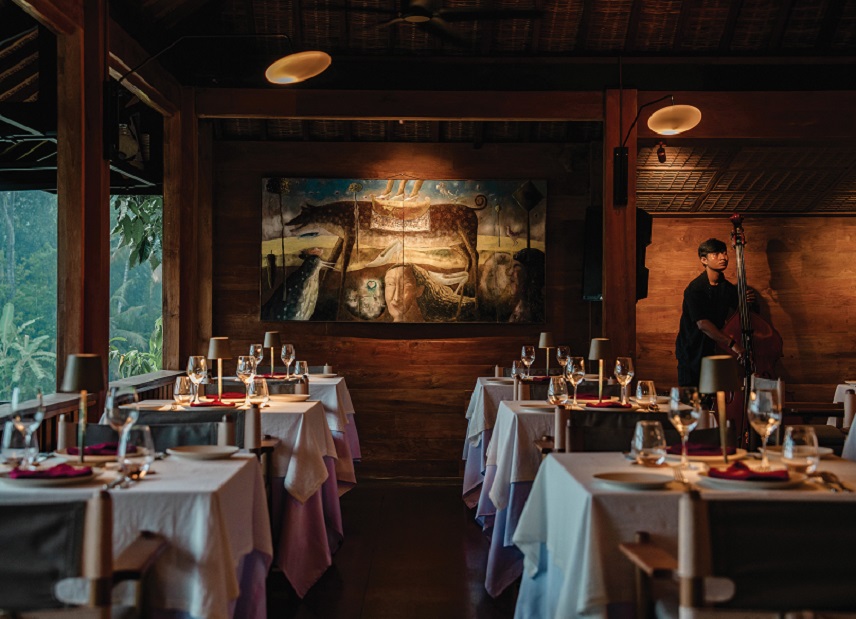


Where to Eat
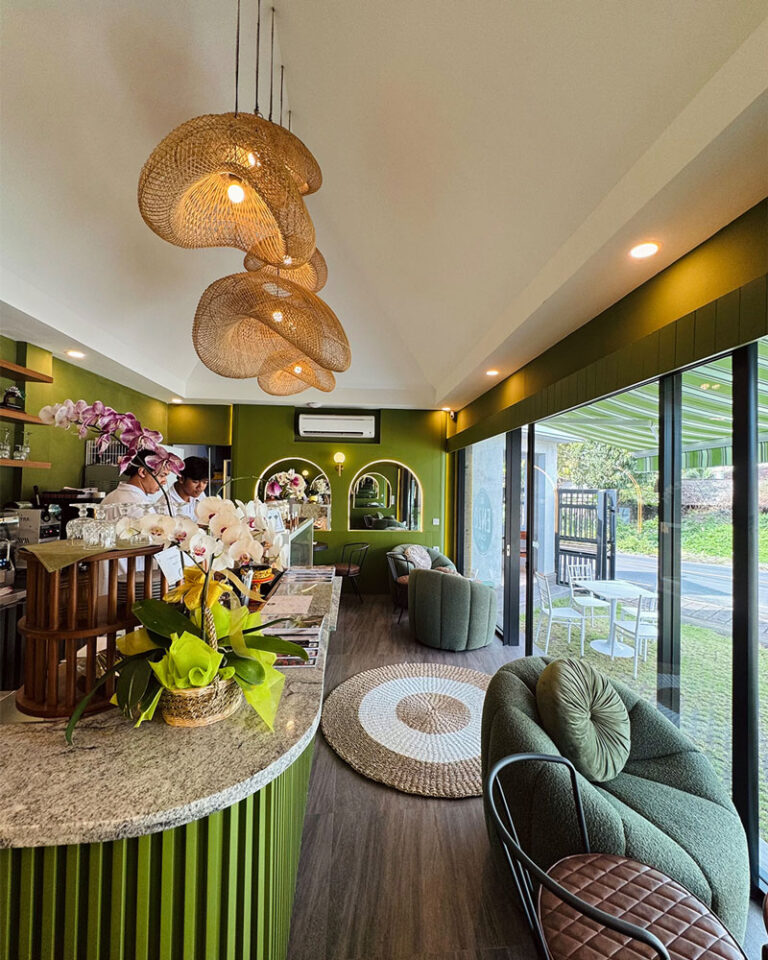
Central Ubud for the broadest dining selection
Penestanan for cafés and relaxed healthy dining
Tegallalang for restaurants overlooking rice fields
Local villages for traditional Balinese warungs
Ubud markets for casual local food and snacks
Where to Stay

Central Ubud: best for walkable sights.
Monkey Forest Road: best for shops and cafés.
Penestanan: best for a quieter base.
Sayan: best for valley views.
Nyuh Kuning: best for a village setting.
Tegallalang: best for rice terrace stays.


best Things to Do
Explore Ubud’s cultural centre
Walk through rice fields and terraces
Visit Tegallalang Rice Terrace
See Tirta Empul and nearby temples
Walk the Campuhan Ridge
Attend a traditional Balinese dance performance
Join a cooking, craft or wellness class
Explore waterfalls and river valleys
Take a day trip into Bali’s central highlands.
Ubud in January is the cheapest it gets
Start with the room. January prices in Ubud are the lowest of the year, which makes this the one month an upgrade genuinely makes sense, so compare before you book. Activities are worth booking ahead only for the guided walks and workshops. The temples you can simply turn up to. A car with a driver is the thing that saves this trip: the waterfalls and terraces are spread out, the rain makes scooters miserable, and one driver for a day costs less than two separate tours. Three links below.
frequently asked questions
What is the weather like in Bali in January?
Wet, warm and humid. January is the peak of the rainy season, with temperatures around 27 to 31 degrees and heavy rain most afternoons. The pattern matters more than the total: mornings are usually clear, the rain arrives after lunch and lasts an hour or two, and evenings often clear again. It is not a washout, it is a schedule.
Is it worth visiting Bali in the rainy season?
For Ubud and the inland areas, yes. The landscape is at its greenest, waterfalls run hard, and both crowds and prices drop sharply. For a beach and sunbathing trip, much less so. The honest test is whether you would trade two or three lost afternoons for lower prices and quiet temples.
How many days do you need in Ubud?
Four full days covers the temples, the ridge walk, one waterfall and the rice terraces without rushing. Seven lets you add a rest day and a second waterfall, which in the wet season is useful insurance against a washed-out afternoon. Ubud works as a single base, so there is no reason to move hotels.